





- New




-50%
€13.00

-15%
€64.00
-10%
€10.00
-25%
€45.00

-20%
€45.00
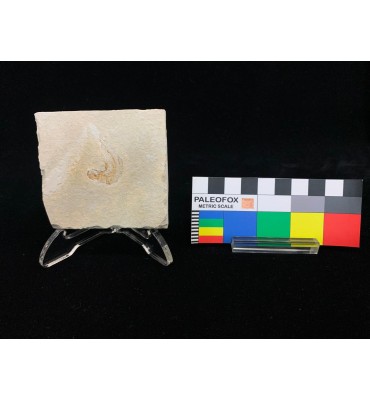
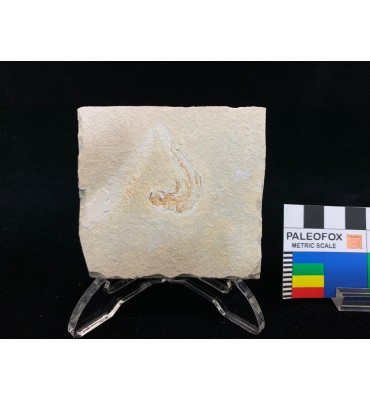
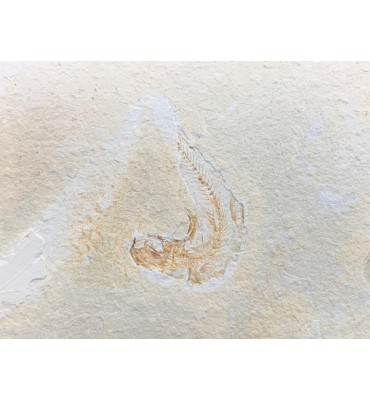
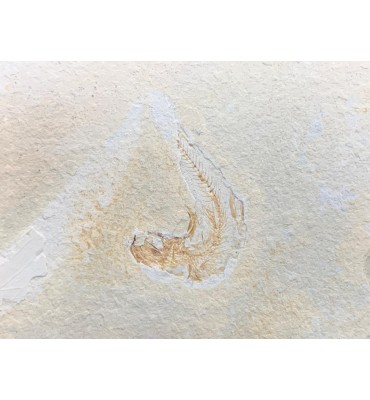
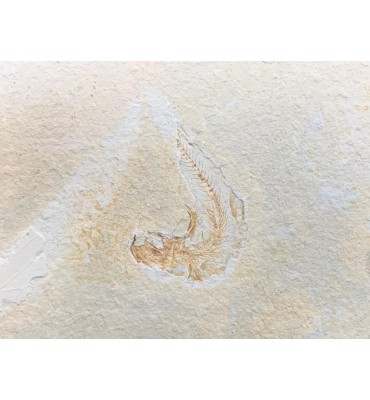
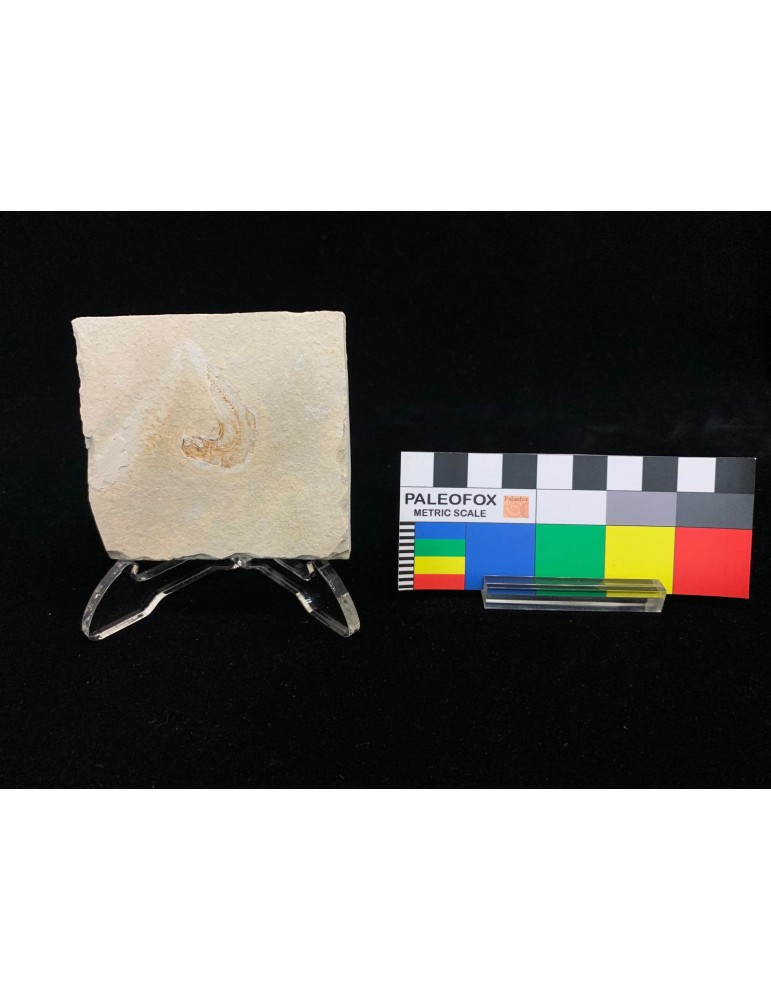
Dastilbe elongatus Silva-Santos, 1947
Location: Brazil (Nova Olinda, Ceara)
Age: Lower Cretaceous (Aptian)
Size: 67x61x11 mm
Fossil size: 28 mm

Secure purchase with SSL protocol

Shipments always with Tracking
 Goods return policies
See our Shipping and Returns page
Dastilbe elongatus is an extinct species of prehistoric bony fish, a gonorrhynchiform that lived during the Early Cretaceous (about 120 million years ago) in South America and Africa, known for its well-preserved fossils found primarily in Brazil (Santana Formation). This small fish, typically measuring a few centimeters, was likely a carnivorous predator (cannibal) and an anadromous fish, capable of living in both fresh and brackish water, and fed on other small fish.
Main characteristics:
Period: Early Cretaceous (Aptian).
Habitat: Fresh and brackish water, with finds in South America (Brazil) and Africa.
Diet: Carnivorous, it fed on small fish and could practice cannibalism.
Size: Generally between 25 and 60 mm, but could reach up to 150 mm.
Family: A primitive relative of modern milkfish.
Importance: Fairly common in Brazilian fossil deposits, such as the Santana Formation, although adult specimens are rarer.
Dastilbe elongatus Silva-Santos, 1947
Location: Brazil (Nova Olinda, Ceara)
Age: Lower Cretaceous (Aptian)
Size: 67x61x11 mm
Fossil size: 28 mm