



- New




-50%
€13.00

-15%
€64.00
-10%
€10.00
-25%
€45.00

-20%
€45.00
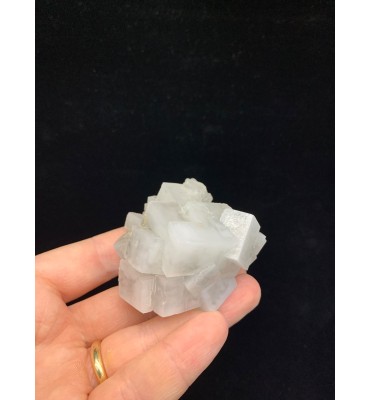
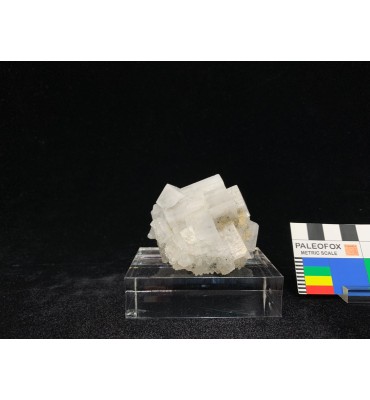
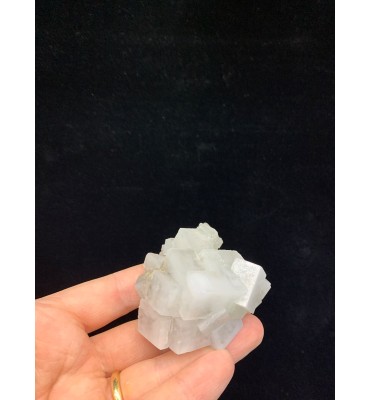
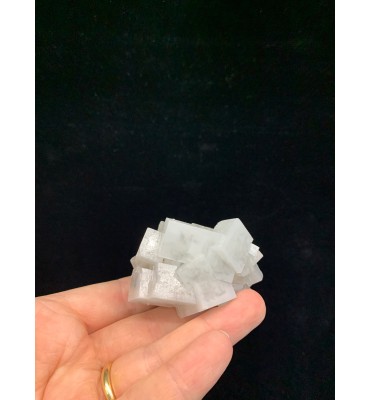
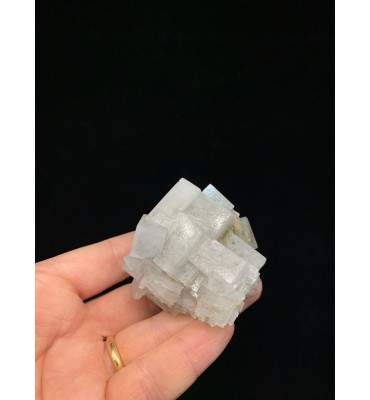
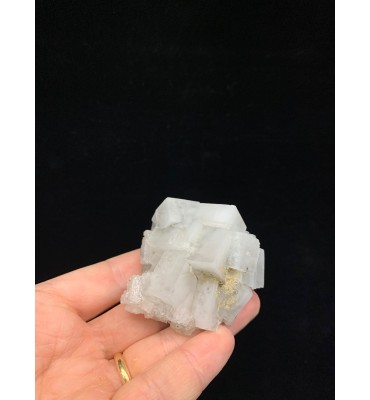
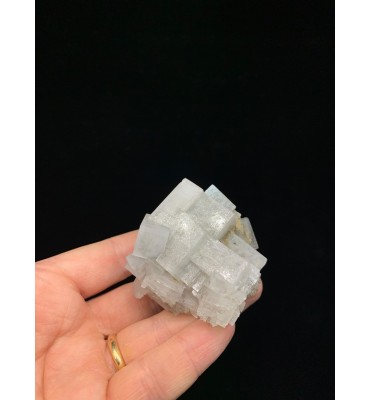
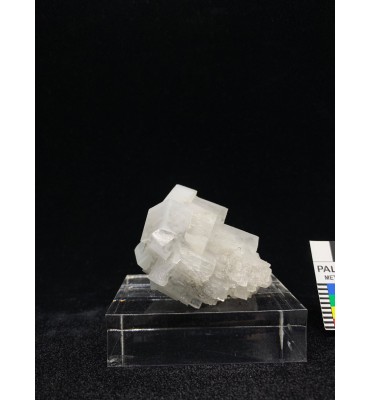
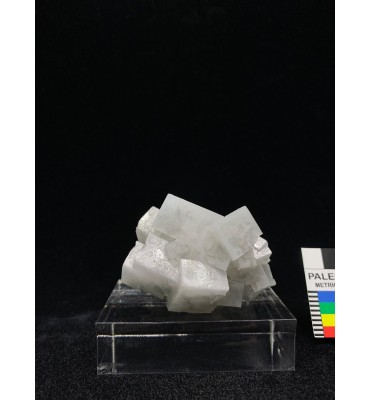
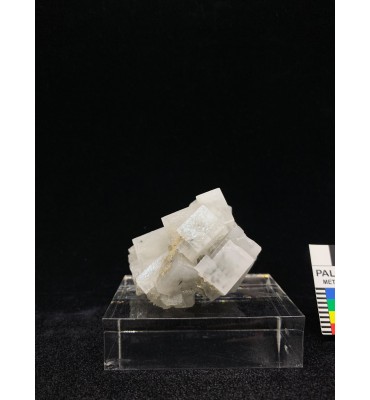
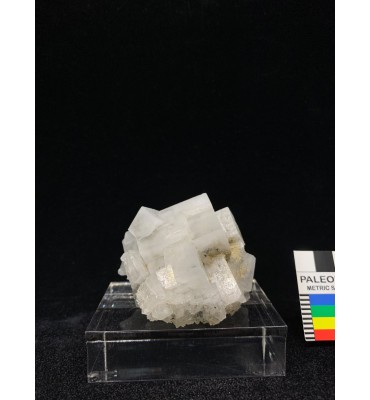
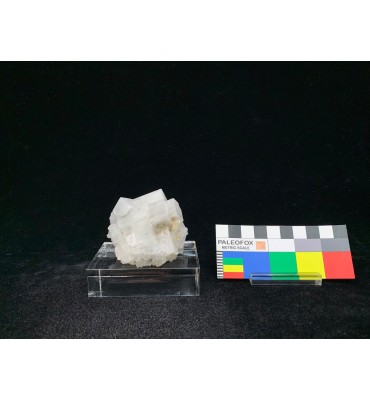
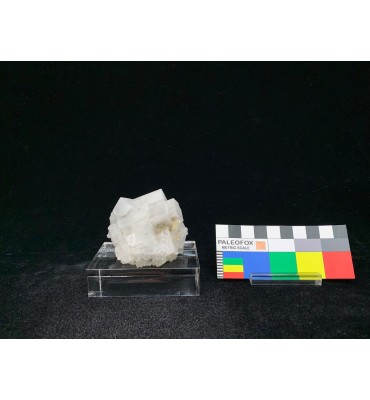
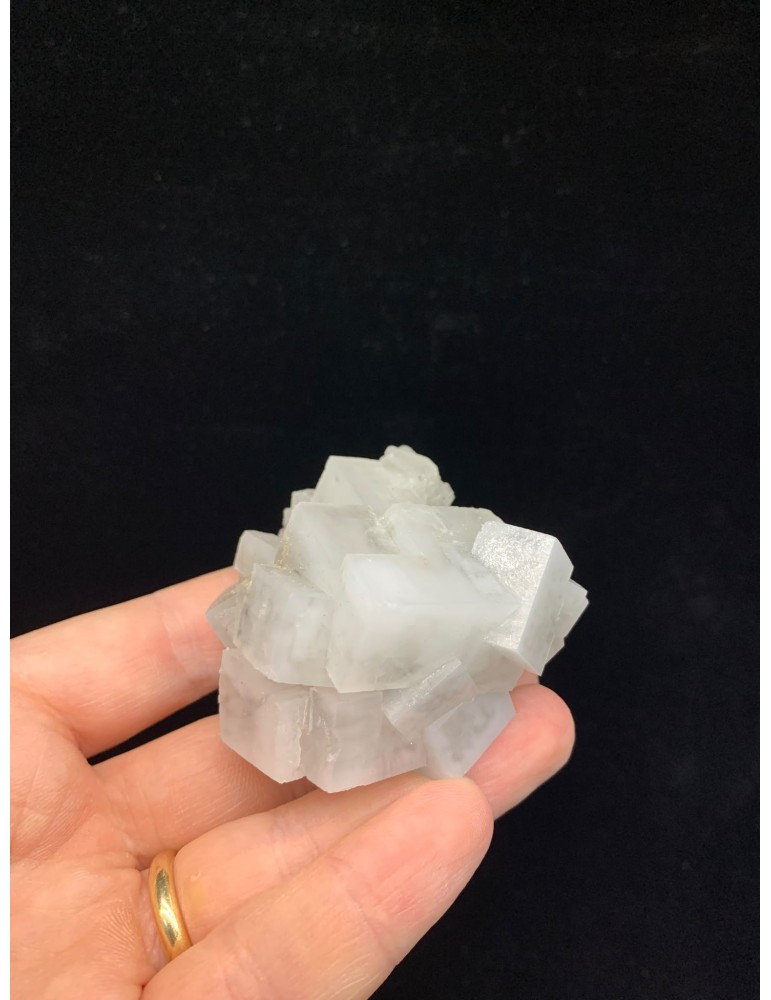
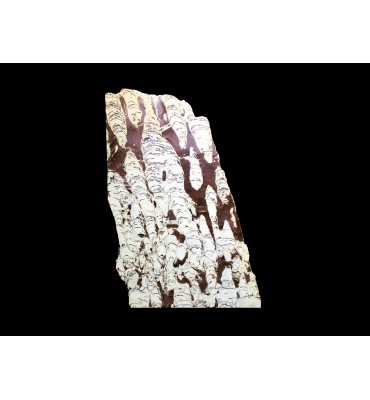
Beautiful specimen of halite crystals from the Salar de Uyuni, one of the largest salt flats in the world, located in the Potosí Department, Bolivia. A very well-known locality.
Specimen size: 87 x 56 x 5 cm
Crystals: 15–35 mm
Specimen weight: approx. 90 g

Secure purchase with SSL protocol

Shipments always with Tracking
 Goods return policies
See our Shipping and Returns page
Splendid halite specimen from Bolivia, featuring numerous medium-sized crystals.
Halite (sodium chloride, NaCl), pronounced HAY-lite, is the most abundant halide mineral. It crystallizes in the cubic system, usually as clusters of interconnected, perfect cubes, often with hopper (stepped) faces and truncated octahedral corners. It has a Mohs hardness of 2.0, perfect cleavage in three directions, a vitreous luster, and a specific gravity of 2.17. Pure halite is colorless, but impurities give it a wide range of pastel colors.
Halite forms massive beds in evaporite deposits of chemical sedimentary rocks, in association with gypsum and borax. Halite, the natural form of salt, is a very common and well-known mineral. The cubes on this piece are well defined. This specimen will make a great addition to any mineral collection.
The word "salt" is an ancient term, appearing in various forms in early English and related languages. The formal mineral name for crystalline sodium chloride is halite, derived from the Greek word "hals," meaning salt. The mineral was named by E.F. Glocker in 1847.
Beautiful specimen of halite crystals from the Salar de Uyuni, one of the largest salt flats in the world, located in the Potosí Department, Bolivia. A very well-known locality.
Specimen size: 87 x 56 x 5 cm
Crystals: 15–35 mm
Specimen weight: approx. 90 g